Sudden Death in Mill-street. SEVERE STRICTURES BY THE CORONER. “EXTRAORDINARY CASE OF INDIFFERENCE.” Mr T. Walters, coroner for the Borough of Carmarthen, held an inquest at the Guildhall, Carmarthen, on Wednesday, at 7 p.m., concerning the death of John Davies, fisherman, 29, Mill-street. Betsy Davies, the widow, who was very deaf and weak, and who could not speak English, said her husband was a stone breaker to the Corporation during the winter and a fisherman during the summer. He was 64 years of age. He had been ill for some six years ago. He had been attended by Dr. Hughes, Trebersed. He had been breaking stones for the Corporation on Monday. He left the house at 7 a.m. he came home tea-time. She could not undertake to say the time at which he came back. He was brought home by a young man because he was very bad. The young man’s name was Lewis Thomas. Deceased went to bed at once. He died about 2.25 a.m. the following morning. They had been forty years married. He was not insured; they had been insured at one time but had it drop two years ago. He did not drink he was a sober man. Lewis Thomas, labourer, Hawk’s Villa, said he saw deceased sit down on the Quay about 12.30 p.m on Monday. He had some hammers with which he had been breaking stones, He was near a post, close by Mr Bland Davies’ stables. Witness asked him if he was bad he was very white in the face. Deceased said Yes; very bad.” Witness offered to carry home the hammers. The offer was accepted and witness assisted deceased home. When he got to the passage at home, deceased took up the hammers and said he could manage very well, as he felt a bit better. Witness then left him. This was about i p.m. Deceased walked up- stairs by himself. He was a healthy man so far as witness knew. He had been breaking stones in the yard by the “Jolly Tar” and had been going home for dinner before he sat down on the stone. Witness never heard of deceased ailing before. Ha used to fish with the father of witness. Mrs Davies re-called, said that she was ill in bed on Monday afternoon. No one was attending her. Mrs Anna Evans, wife of William Evans, weaver, Mill-street, and a niece of the deceased, said that no one saw deceased go home ill. David Jones, who works in the Foundry, went in about 8 p.m. and saw deceased warming his feet by the fire. Deceased said then that he had not had a fit but had had a pain in his breast. Jones recommended some antibilious pills; but deceased insisted that it was a poultice he needed. Witness went in about 9.30 p.m., after she came home from the Christian Endeavour and found him sleeping in bed. He had had plenty of nourishment; they had had a good dinner on Sunday; and had during the week the usual food of poor people. She did not think it necessary to fetch a doctor when she saw him asleep. Margaret Lewis, widow, 28, Mill-street, a next-door neighbour, said Mrs Davies called her about 2 a.m. on Tuesday, and asked her to come in, as John was very bad.” She went in; and found John Davies dead. Mrs Davies said that she had called him three different times then she lit the candle and, feeling, perceived he was cold. He had then his clothes on; but not his boots. Mrs Evans said she took an overcoat from under deceased when Miss Eliza Vaughan laid him out. Mrs Davies, re-called, said-so far as could be understood from her somewhat complicated statement—that she went out on Monday morning to sell a few pennyworth of herrings. She could not undertake to say the time she came in. She came in after her husband. On being pressed now she said she was going to have a fit—which seemed extremely probable. The Coroner then desisted from further cross-examination. The Coroner commented strongly on the fact that a man in a populous district should come home at 11p.m. ill- so ill that a man on the Quay noticed his condition—and be allowed to remain until he died, more than twelve hours afterwards, without any attention. It was strange that his niece going in at 9.30 p.m. did not notice something out of the way he did not know whether it was the usual thing for people in Mill-street to go to bed with their clothes on, and with an over- coat beneath him, or whether Mrs Evans should not have considered there was some- thing wrong. The conduct of those concerned was not such as to amount to criminal responsibility for the man’s death. It was, however, an extraordinary case of the neglect of and indifference to what common-sense would have suggested to ordinary people as necessary to be done. He hoped some lesson would be learned from this sort of thing. It was not a question of expense. Any poor person who was ill was entitled to the attendance of the parish doctor. It was not as if the doctor had been sent for and had declined to come in the latter case it would have been the doctor who would be called upon to explain his conduct. Mrs Evans protested that she had no idea of how ill her uncle had been. She was very sorry for what had happened. Had she known of a stranger in such a plight she would have done all in her power for him. The Jury returned a verdict of “Death from natural causes.”
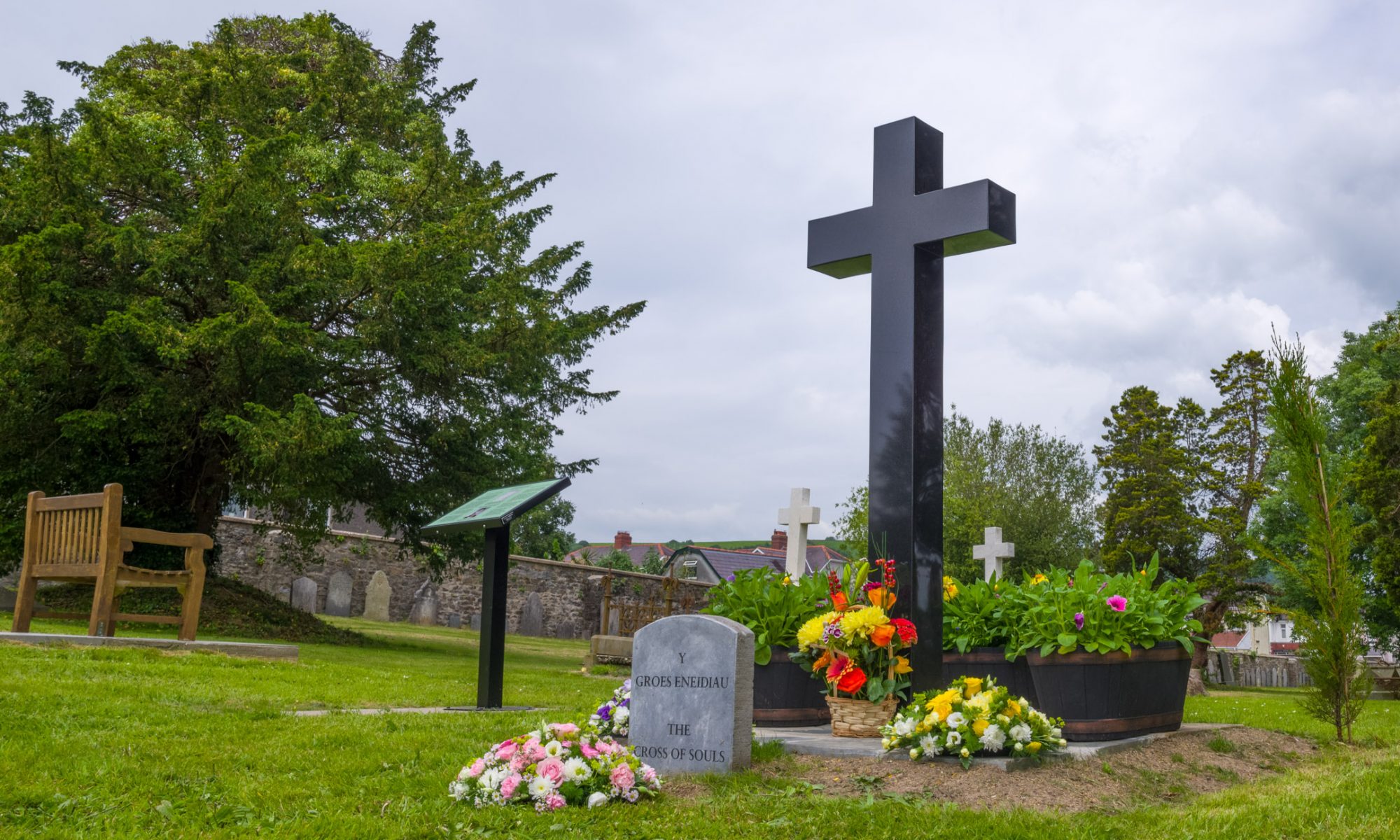
St David's Cemetery, Carmarthen
Welcome to the Thomas & Elizabeth Mayhook Charity website, dedicated to the Preservation, Upkeep & Maintenance of the historic St David’s Cemetery Carmarthen