The following story is one of great sadness in that, like so many others, could have been avoided. Late Victorian and Edwardian Britain was a place of huge industrial growth and areas such as goods yards were a hive of great activity in the movement of substantial amounts of hardware and in the case of Carmarthen, of cattle and sheep and other livestock. Little wonder then that youngsters found these locations a place of excitement and derring do, which often resulted in serious injury and tragedy. George has no headstone or grave marker but like all the others he will be remembered. May he rest in peace..
Fatal Accident at Carmarthen.
A distressing accident occured on Thursday evening the 29th July, when a five year old named George Billing Curnick, son of Mr and Mrs Wm. Curnick, 12, Parade Road, was killed by a railway truck, near the London and North West Railway (LNWR) goods shed. An inquest was held at the Shire Hall, on Saturday, by Mr Thomas Walters, Coroner. Mr Thomas Davies, Chapel street, was the foreman of the jury. Edith Eleanor Curnick, wife of M. J. Curnick, cattle dealer, 12, Parade road, the mother of the boy, said that on the evening in question he left the house between 7.15 and 7.30, with two of his companions. He said he was only going down to the Parade to play. She had always told him not to go near the cattle pens. He had often been warned by the men down there not to go there. He would never have gone there by himself. She was always going after him. The others got over in safety, and he was the unfortunate one. It was a warning to the other little ones. Lewis Jones, 10, Parade road, who was near the spot playing cricket in front of the L. and N.W.R. goods office, said that he saw the deceased hanging on to a truck on the town side of the goods station. The truck was moving. The boy shouted, and witness and his companions ran towards him; just as the truck got near the big lamp, deceased shouted and fell right under the truck. Witness saw the wheels of two trucks go over him. On one of the trucks was a heavy cannon from the Barracks. He was holding on to the truck, which was a very low one. Witness knew the deceased very well. He often played where we did, but they always sent him away. He generally played on the Parade. Witness had never seen him on the railway before. When witness got up to the deceased, the lower part of his body was terribly mangled. A man told witness to put him on the ground. Witness did so, and went for Dr Harries. By the Coroner: Deceased had no foot-hold on the truck, but was hanging by his hands. John James, shunter on the G.W.R., of Little Water street, said that he had been on the railway for 34 years, and had great experience in shunting. He did not see anything of the accident. He had great trouble with the children, who were sometimes under the trucks while in motion. He had often tried to stop the boys playing there, but when sent away they would go but came back again. He was shunting ten trucks. Dr Denzil Harries, who attended deceased, said that he was severely injured, and died from shock. He only lived for about twenty minutes and was unconscious from the start. The Coroner, in summing up, said that the only way to prevent the children trespassing was for them to listen to their parents, and for the parents to take all precautions. It might be a consolation to the mother if he said that, in his opinion, there was no blame at all attached to her. He thought she had taken all care, and did not doubt that they sympathised greatly with her over this sad accident. He did not think, either, that they could suggest anything to the Railway Company by which these accidents could be avoided in future. The Companies were very careful and very sorry when anything of the kind happened. It was the first inquest of the kind that he had held since he had held office. There was, in his opinion, ho blame attached to anybody. The jury returned a verdict of “accidental death,” and wished to convey their deep sympathy to the parents.
Carmarthen Weekly Reporter Friday August 6th 1909.
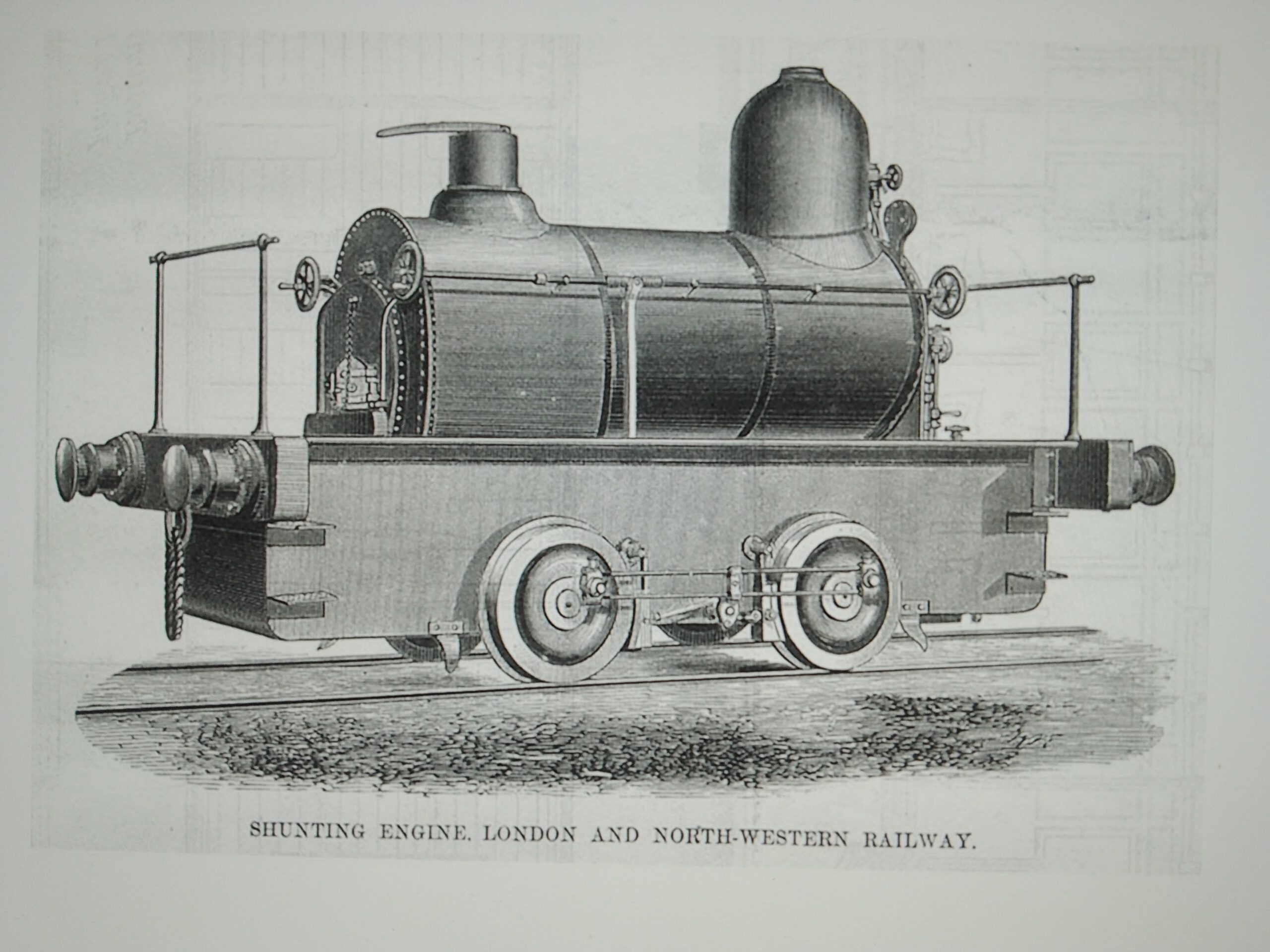
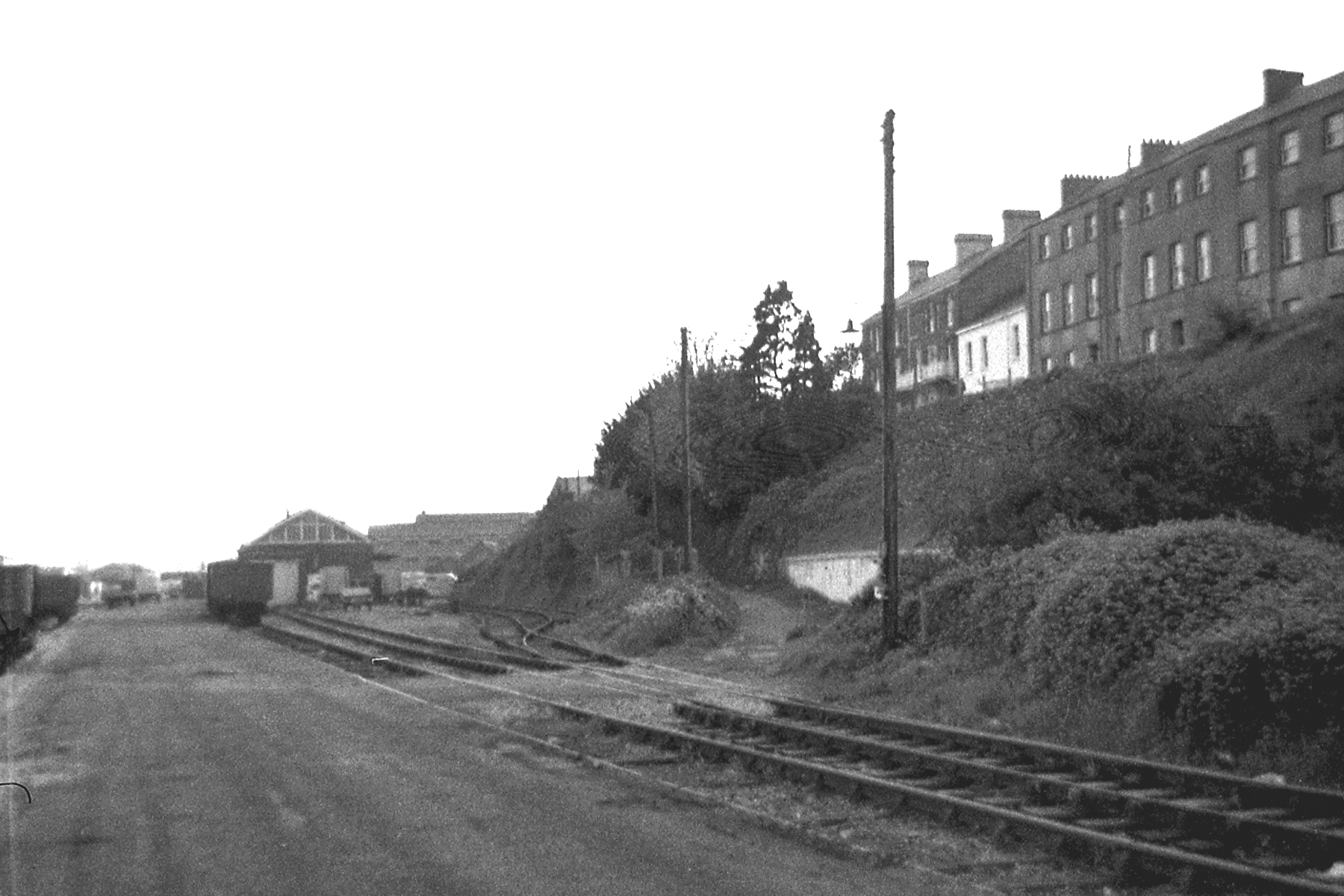
Photo curtesy of Mr John Jones.