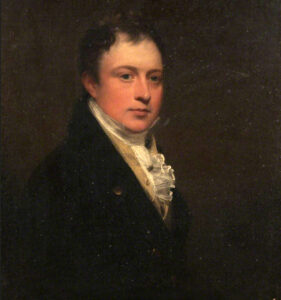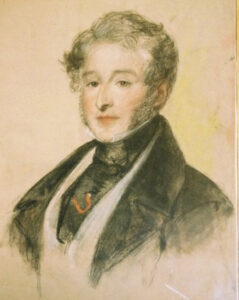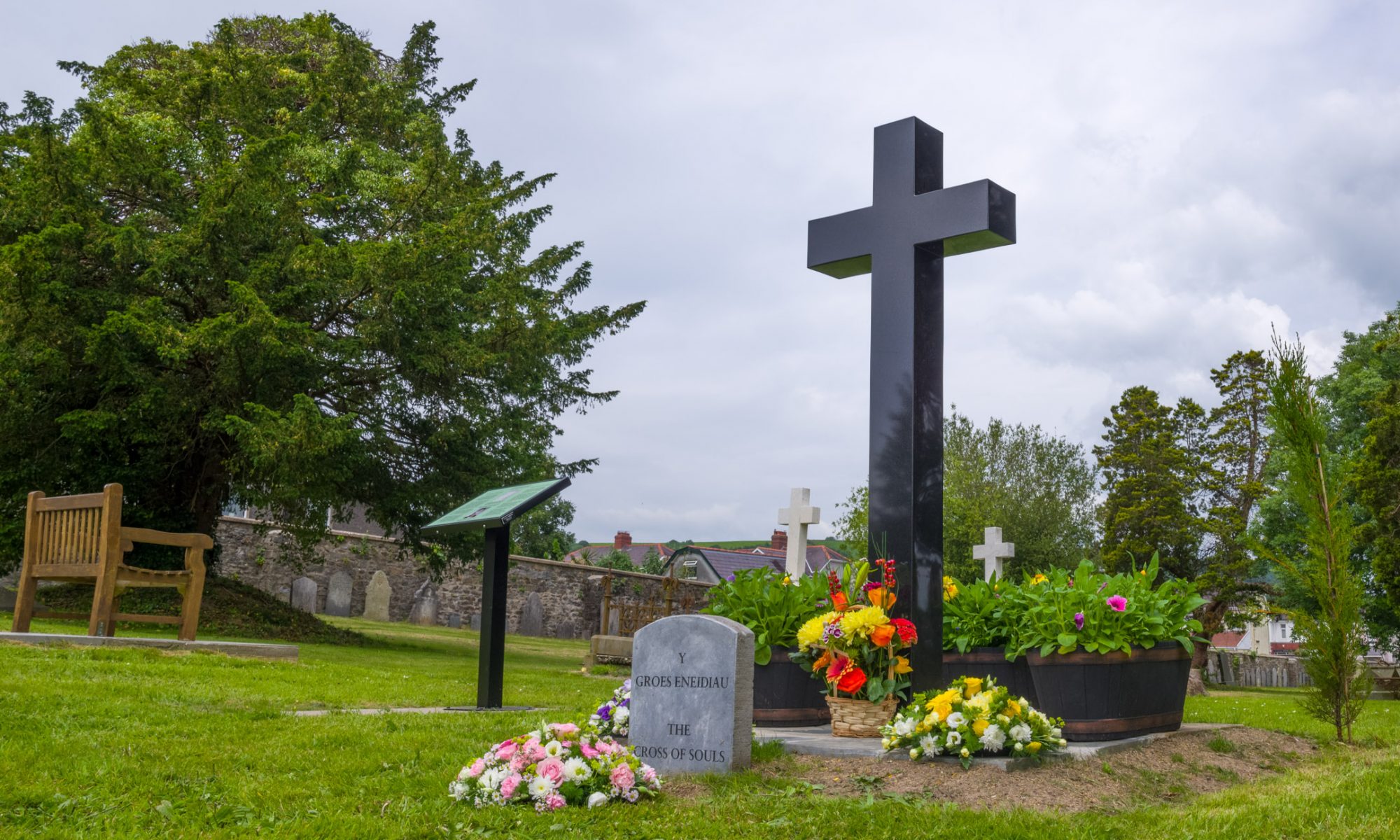
In 1852 an event took place here in Carmarthen, unique in the annals of local history, when no less than all three sitting Members of Parliament for Carmarthenshire, Cardiganshire, and Pembrokeshire, including Her Majesty Queen Victoria’s three representatives for the Counties of Carmarthenshire, Cardiganshire, and Pembrokeshire – the Lord-Lieutenants, and a whole host of dignitaries far and wide subscribed to a testimonial fund for the retirement of a little known individual by the name of John Compton who had been employed as a Mail Coach Guard for upwards of forty years from 1812 to 1852. He was held with great affection and the highest esteem by so many, starting his employment three years before the battle of Waterloo in 1815. The letter below in bold print which was published anonymously in the local press in 1852 in the Letters to the Editor column says it all with great eloquence about John Compton and what he stood for. What was not generally known however when the writer of the letter submitted it to the newspaper for publication was that 17 years earlier in 1835 John Compton was involved in a notorious accident that nearly killed him and all the passengers of the mail coach whilst travelling towards Llandovery.
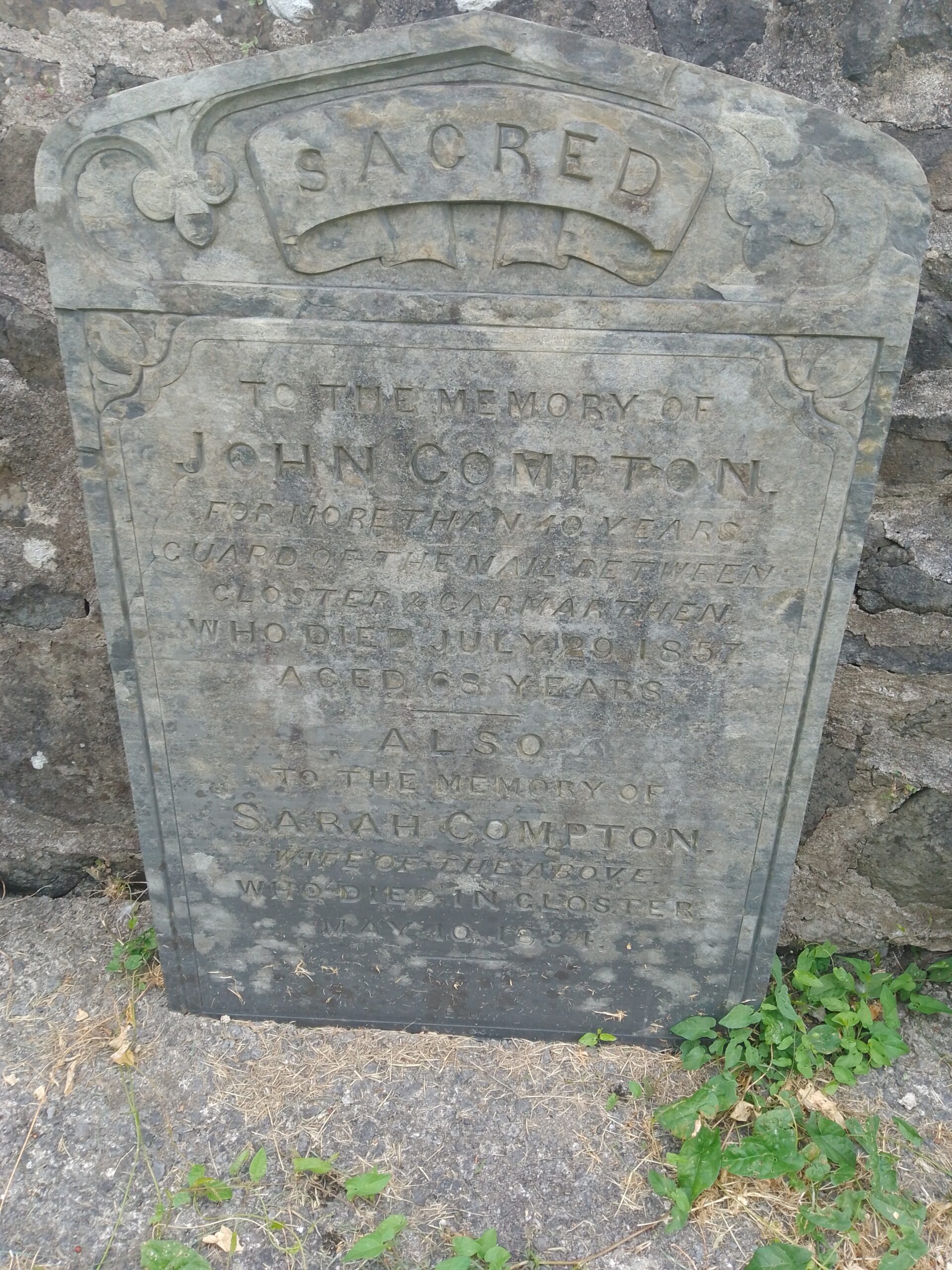
Furthermore, 9 years later, in 1842 he was nearly killed when a tree fell on him whilst he was trying to dislodge the wheel of the coach in a storm which had become stuck. John Compton died here in Carmarthen in 1857 aged 68 after a very full and active life in the service of the community and buried here in St David’s cemetery. May he rest in peace.
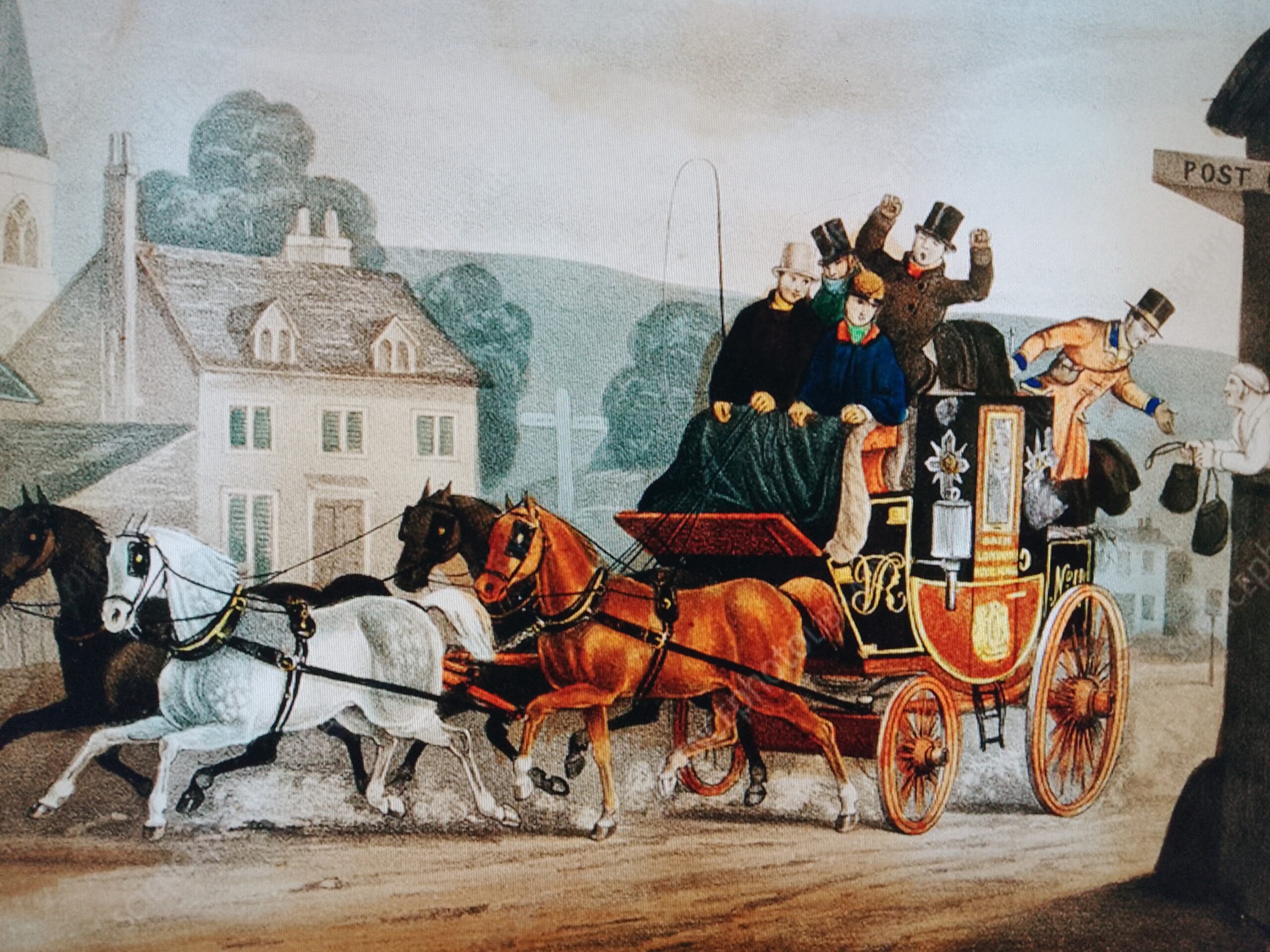
Mail Guards were literally armed to the teeth to protect the mail ( not necessarily it’s passengers ) and for maximum security, a Post Office Guard was provided to travel with the coach, often an ex-soldier who was ‘accustomed to the discharge of firearms’. The Guard was entrusted with a case of letter bags and was responsible for the safe conduct and delivery of them sealed. He also had at hand a sword case, which held a Cutlass, a brace of pistols, and a blunderbuss for use if necessary. As the result of a law passed in 1811 a Guard was once fined £5 for using a blunderbuss unnecessarily.
The Guard also carried a timepiece (so that he could enter on his time bill the coach’s time of arrival and departure at each stage of the journey) that was kept locked inside a leather pouch. The timepiece could not be tampered with in any way and if the coachmen were running late, they considered it a point of honour to make the time up as they went along. The locked timepiece had to be adjusted for changes of time in different towns, for standard time was not in use until the mid nineteenth century. For example, Bristol’s time was twenty minutes behind London’s, so the timepiece was adjusted to lose twenty minutes on the ‘down’ run and gain twenty minutes on the ‘up’ journey.
The Guard also carried a horn, which he used to warn other road users to keep out of the way of the coach, for the Royal Mail had right of way on the King’s/Queen’s Highway. He also blew his horn when approaching a tollgate, to announce the coach’s impending arrival to the toll-gate keeper, so that he could quickly open the gates and let the mail through, without hindering its passage*. The horn was also sounded when approaching Inns to warn the horse keepers to bring out fresh horses, as these were changed every 10miles. Sometimes the Guard, sitting alone at the back of the coach, was thrown off by the roughness of the journey and might not be missed until his frantic bugle calls were heard!
*Mail coaches passed free of tolls (except in Scotland where, from 1813, an extra penny was raised on letters).
4th February 1842 page 3 – The Welshman.
ACCIDENT.—During the terrific storm of Wednesday as the Gloucester Mail to Milford was on its way from Raglan to Abergavenny, Mr. Compton, the Guard alighted for the purpose of dragging the wheel, when a large tree was at that instant blown down across the road, and struck him so heavily that his life was for some time despaired of.
LETTERS TO THE EDITOR – THE WELSHMAN. MARCH 12TH 1852 PAGE 3
SIR,- It is understood that the authorities at the General Post Office have come to the determination to suppress the mails running from Gloucester to Carmarthen, as far as the two present coaches are concerned, and that a new arrangement is to take place shortly and a new system substituted. A change for the better is not always agreeable, particularly when brought to play against old habits and old feelings; but I apprehend that this change must be submitted to, but not without regret; as from our childhood we have been familiarised with the old regime, and with a few of the officials connected with old coaches. When the new system shall be established, we shall lose our particular old friend, who has been for forty years a mail coach guard running from Gloucester to Carmarthen, and who has been well known on this road for his steadiness, his upright conduct, his straight forwardness, and the punctuality with which he performed all his engagements. I allude to Mr John Compton, and I ask this, shall Mr. Compton, who has been on this road for near half a century, and who has had brats of boys in bye-gone days under his care, when exhorted to different schools, and who are now MP’s, Esquires, Physicians, Lawyers, Merchants, and a host of Clergymen; Shall Mr Compton, who might have numbered the stars on cold, frosty, wintry nights, and whose life has been repeatedly in jeopardy, shall this grey-headed and respected old guard take his leave from this part of the principality without some token of respect, without some Forget-us-not after so many years travelling among us ? Methinks I hear the well known musical Welsh voice answering,—no, he shall not. If so, up and at it, we have no time to lose and let our old friend be put in possession of some token as a proof of our respect to his person and services, and that his connection with us has been brought to a close. While mutually respecting each other, I and others expect that you, in Carmarthen, will take this subject under your consideration with that warmth of feeling so familiar to St. Peter’s boys on occasions similar to this.
The above article was published under “letters to the editor” and signed “A”
When the testimonial fund closed for Mr Compton in the summer of 1852 the amount raised was nearly £50.00 ( equivalent to nearly £8,000 in today’s money ) which was a terrific amount of money. He died in 1857 aged 68 and was buried in St David’s cemetery in a funeral worthy of someone who had given his whole life to the service of others. His wife, was buried in Gloucester.
Accident to the Gloucester— Carmarthen Mail Coach in 1835 at which John Compton was the Guard at the time.
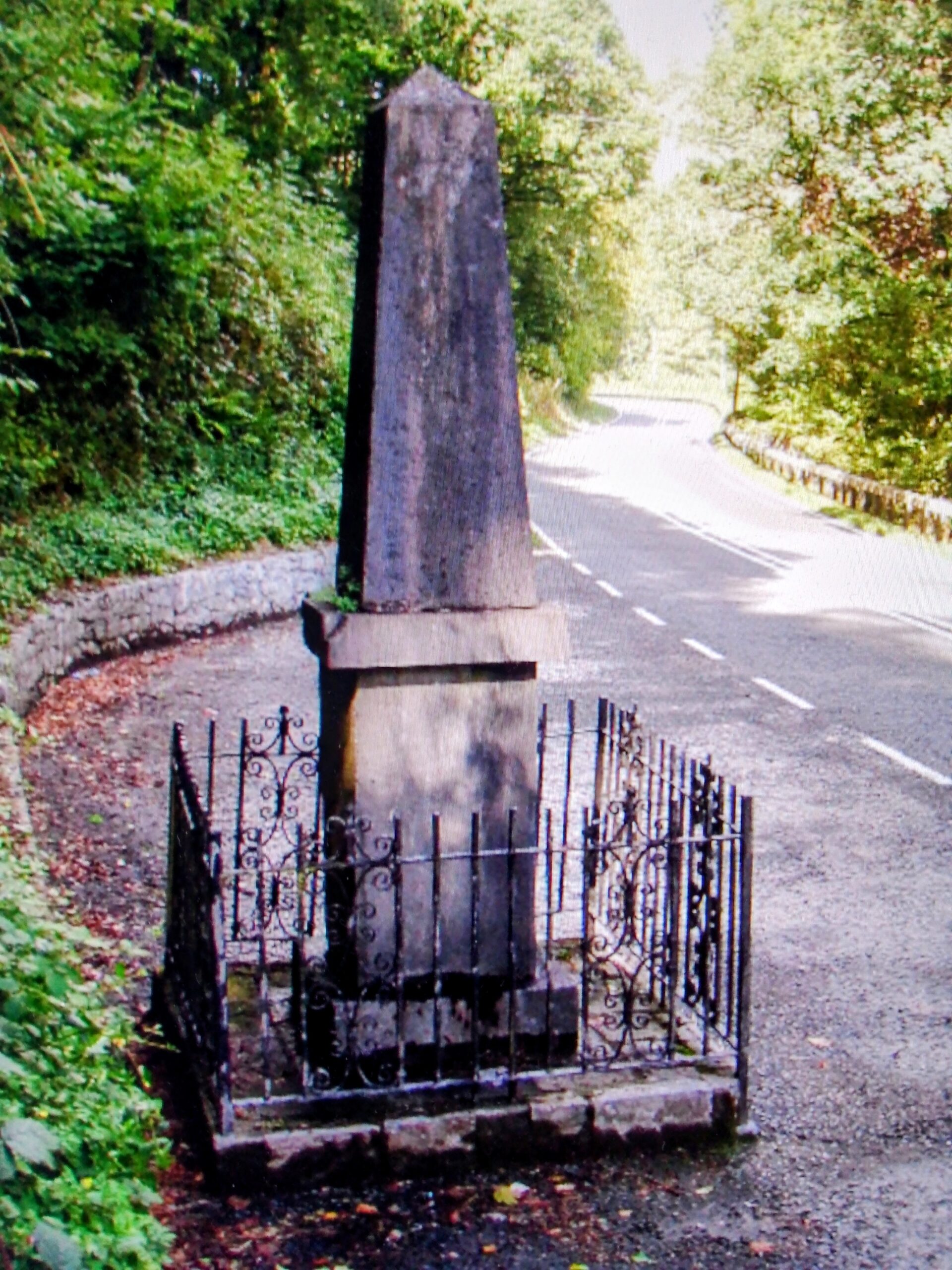
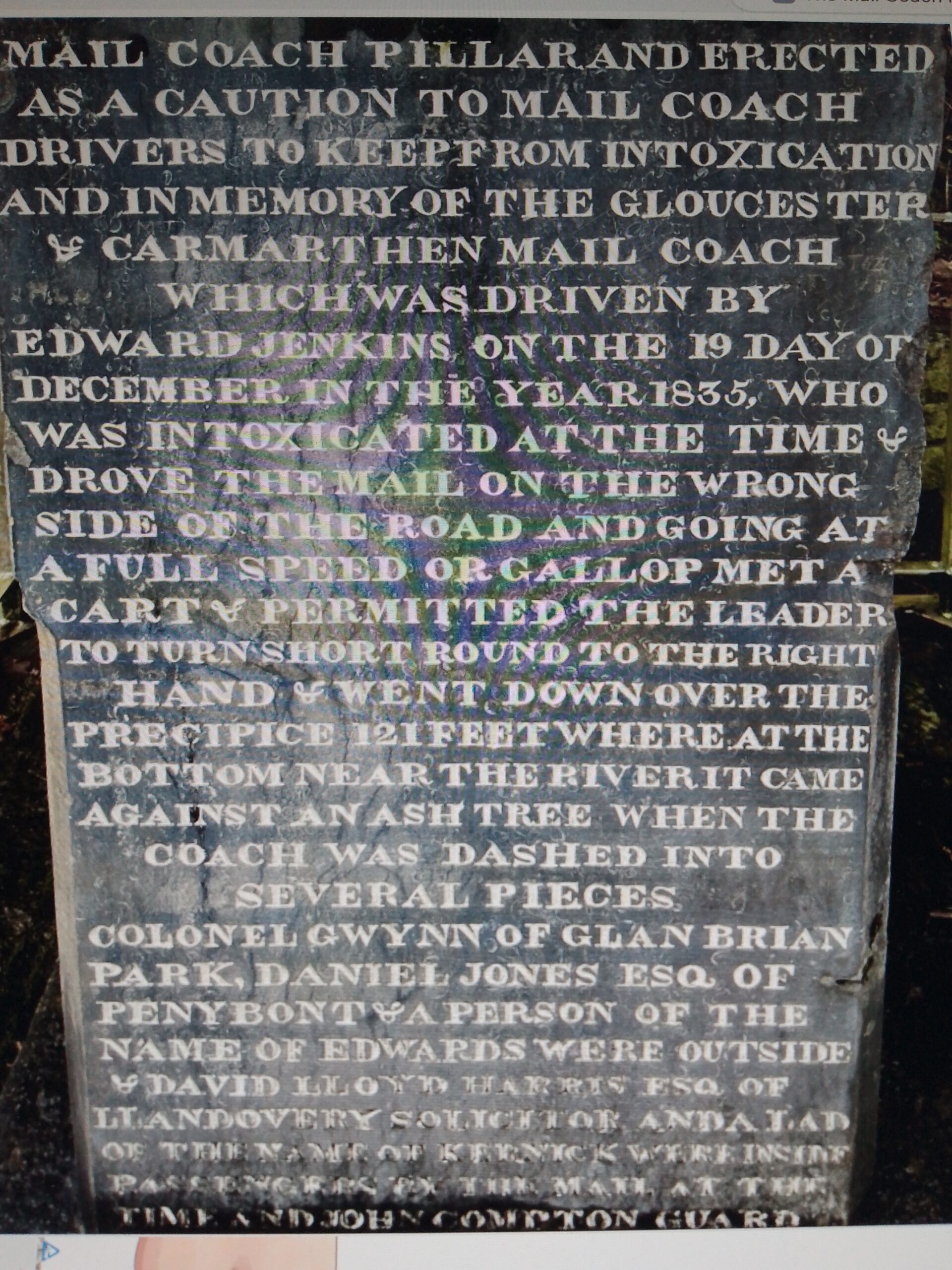
On December 19th 1835, the Gloucester— Carmarthen mail coach had an accident, which occurred on the the Llandovery to Carmarthen mail road. A stone pillar* in memory of the event was built in 1841 and the inscription on the front ofthe obelisk reads:-
“This Pillar is called the Mail Coach Pillar and erected as a caution to
mail coach drivers to keep from intoxication, and in memory of the
Gloucester and Carmarthen mail coach which was driven by Edward
Jenkins on the 19th day of December in the year 1835, who was
intoxicated at the time and drove the mail on the wrong side of the
road, and going full speed or gallop met a cart and permitted the
leader to turn short round to the right hand and went down over the
precipice 121 feet, where, at the bottom near the river, it came
against an ash tree when the coach was smashed into several pieces.
Col Gwynne of GlanBran Park, Daniel Jones Esq, of Penybont, and a
person of the name of Edwards were outside and David Lloyd Harries
Esq, of Llandovery solicitor and a lad of the name of Kernick were
inside passengers by the mail at the time, and John Compton, Guard”.
An inscription on the side of the obelisk reads:—
“I have heard say, where there is a will there is a way. One
person cannot assist many but many can assist few”. As this Pillar
will show, which was suggested by J Bull, Inspector of mail
coaches, with the aid of Thirteen Pounds, Sixteen Shillings and
Six Pence, received by him from forty-one subscribers in the year
1841.
The work of this pillar was executed by John Jones, marble and
stone mason, Llanddarog near Carmarthen”.
*The pillar, had fallen into decay, and was restored in 1930.
After a while the inscription once again deteriorated over the years,
and, in 1966, although it was not the responsibility of the Post
Office, the Directorate decided to pay for the restoration because of
its historic interest. The railings that surrounded the pillar have
been replaced by brickwork and the inscription repainted.
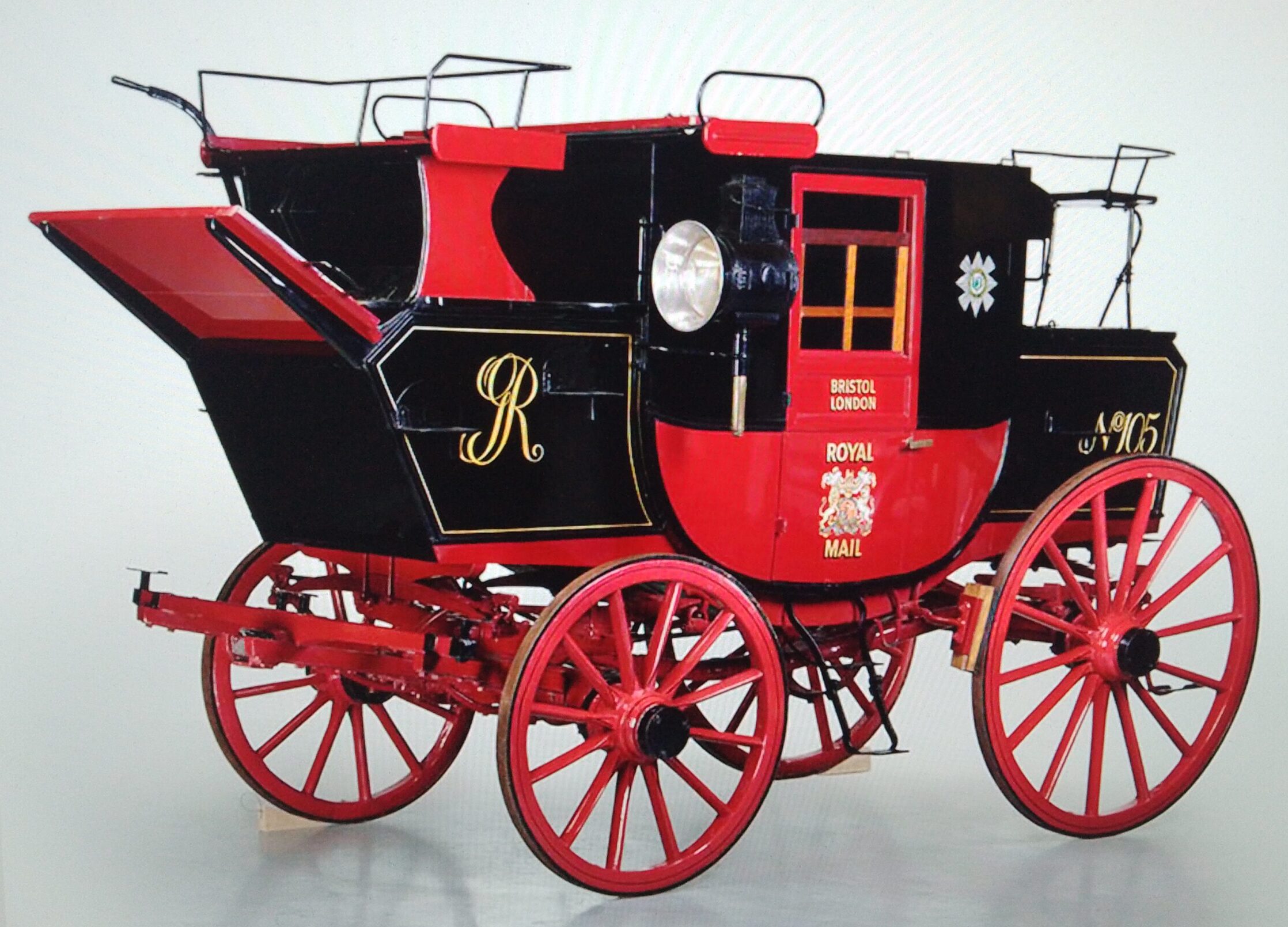
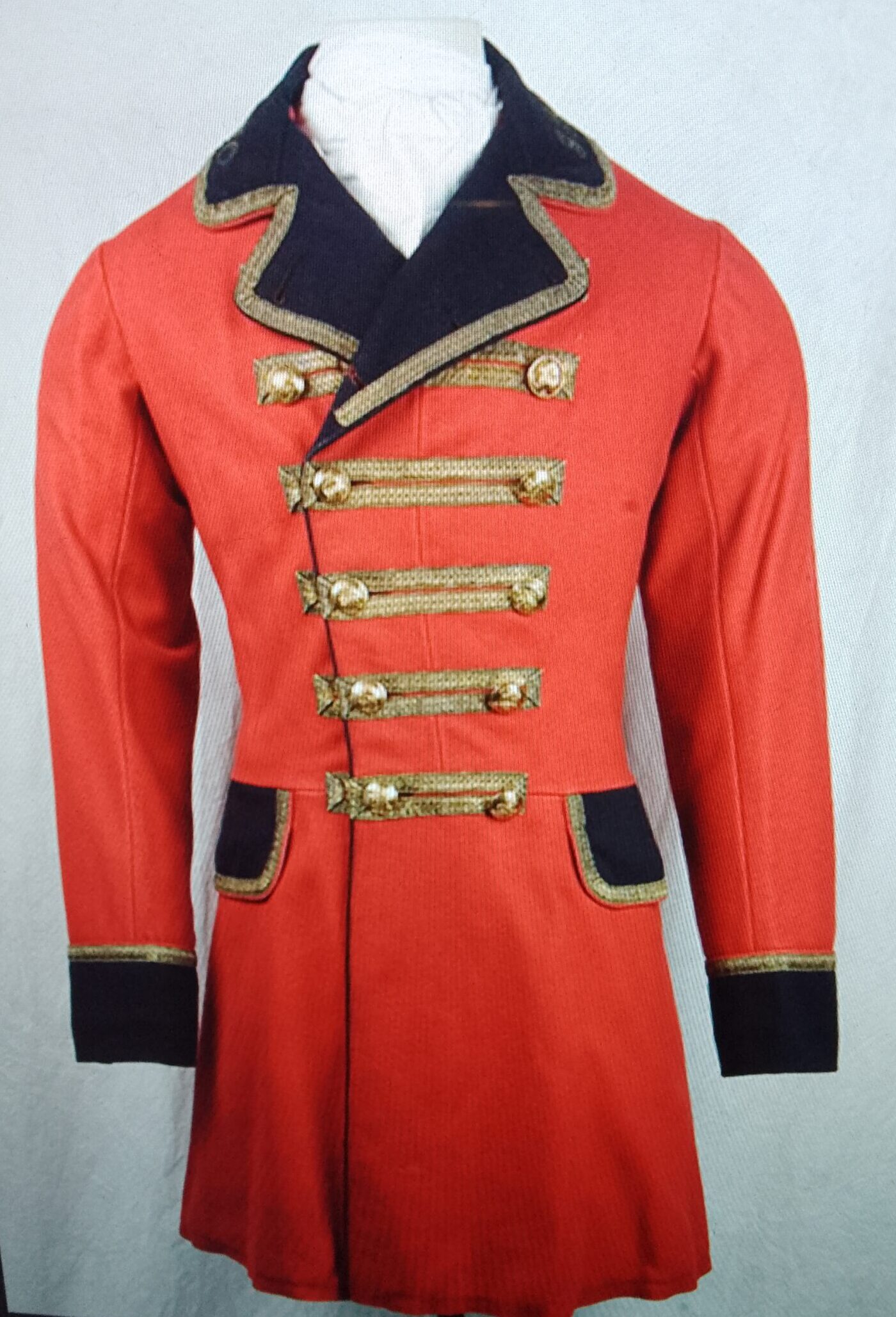
Photograph published by kind permission of the Postal Museum.